

A Strategic Regional Bridge to Connect Climate Solutions
With a portfolio of more than 50 projects in 22 countries, the IKI Interface seeks to bring together initiatives that work in different national contexts, but share objectives related to climate action, biodiversity protection, and sustainable development.


Created in early 2021, the IKI Regional Interface located in Costa Rica is responsible for IKI projects in Central America and the Caribbean. This IKI Interface is implemented by Deutsche Gesellschaft für Internationale Zusammenarbeit (GIZ) and its main mission is to connect International Climate Initiative (IKI) projects implemented throughout the region, promoting knowledge, exchange and collaboration.
In Costa Rica, its main political partner is the Ministry of Environment and Energy (MINAE). The articulation also involves institutions such as the Ministry of Finance, the Regulatory Authority of Public Services (ARESEP) and the Costa Rican Institute of Electricity (ICE). At the regional level, the Interface seeks to strengthen cooperation with organizations such as the Central American Integration System (SICA).
More than individually monitoring projects, the Interface acts as a bridge between implementers, institutions and the IKI itself, creating opportunities for experiences to be shared and new collaborations to be established. The strategy also seeks to increase IKI's visibility in the region by communicating results and impacts from its vast portfolio.
Connect a diverse region
One of the main results of this strategy is the five annual exchange workshops held since 2021, which usually bring together hundreds of participants to discuss experiences, share knowledge, and expand contact networks. The activity integrates the Interface's indicators and has become one of the main spaces for regional articulation.
The territorial dimension, however, imposes challenges. The projects are spread across 22 countries, and the great distances make it difficult to participate in person, especially for initiatives with limited financial resources. The coexistence between Spanish and English-speaking countries also creates language barriers. In addition, each country has its own needs, priorities and institutional capacities, making it not always possible to directly compare experiences.
The Interface's response has been to bet on inclusion. The activities are carried out in a bilingual way, with translation services, and projects of different sizes, including those supported by the IKI Small Grants, are invited to participate. The workshops also started to offer a second day for the projects themselves to organize parallel activities according to their interests and knowledge.
The Interface has also developed a knowledge management strategy that has already resulted in more than 50 products, addressing topics such as climate and environmental policies, financing, adaptation, mitigation, conservation and restoration.
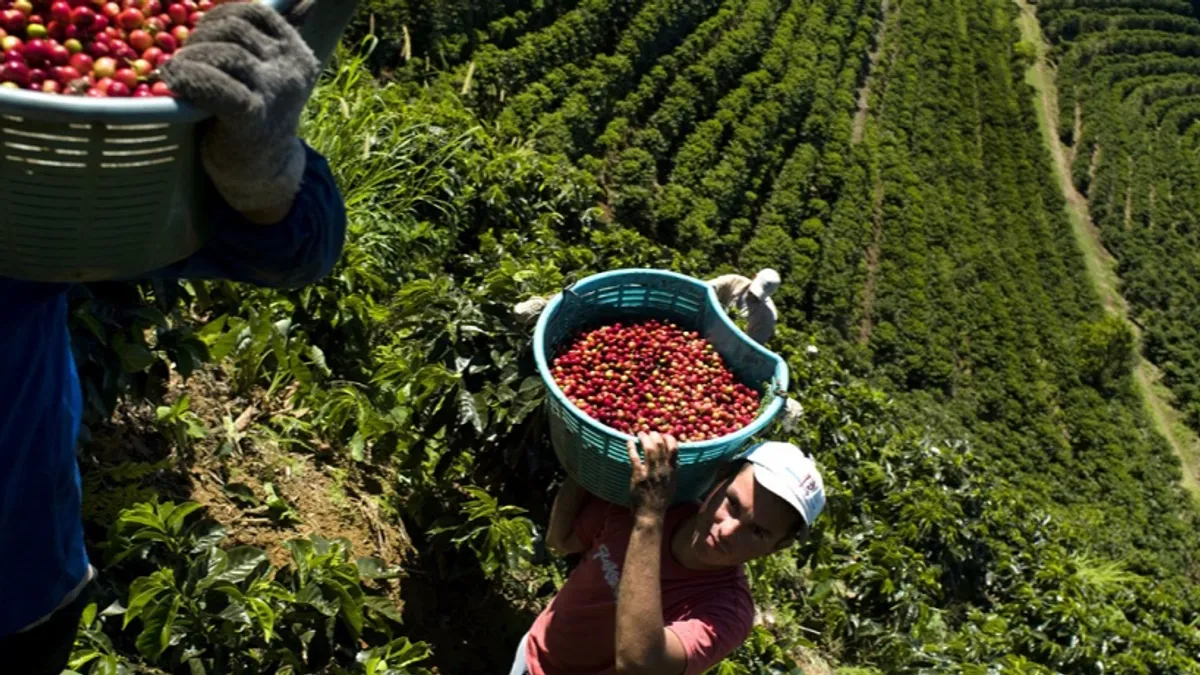
Communication seeks to bring technical content closer to different audiences. An example is the materials produced in the context of Nationally Determined Contributions (NDCs) for populations in indigenous territories. The information was translated into four languages spoken in these territories, allowing for more effective and appropriate communication to different cultural realities.
Another front is the use of digital tools. The podcast The Countdown to 2050 (https://open.spotify.com/show/1xnz8VZNimEp9RKyLwloJ8), produced in bilingual format, presents initiatives related to climate, the environment and biodiversity and increases the visibility of projects supported by IKI. The experience demonstrated the potential of technology to overcome geographical distances and disseminate knowledge regionally, an approach that can be replicated by other Interfaces.
The Interface's work also produces concrete effects on the participation of groups that do not always find space in institutional processes. An example developed in Costa Rica occurred in partnership with SINAC (National System of Conservation Areas) and involved women who work as park rangers.
Despite their role in biodiversity conservation, these professionals identified needs related to equity and equal opportunities that were not sufficiently addressed. The Interface has contributed to strengthening its representation with the Ministry of the Environment and the National Institute of Women (INAMU) of Costa Rica, creating opportunities for dialogue and training.
The case demonstrates how Interface's role goes beyond the dissemination of information: by connecting people, institutions, and policies, it can help transform local experiences into processes of dialogue and institutional change.
Connect, translate and amplify
“The IKI Regional Interface in Costa Rica for Central America and the Caribbean has a unique feature in the region: it is, to date, the only Interface with regional operations, which requires its own mechanisms to integrate countries, languages, institutions and projects with different capacities.” says Johannes Kissel, director of the program.
Its experience shows that diversity can be transformed into an advantage when there are structured spaces for exchange. Translation, bilingual activities, support for projects with less financial capacity, and openness for the participants themselves to share their knowledge are strategies that help build a more inclusive network.

For the next phase, the expectation is to expand the regional reach, even in the face of an expected reduction in the project portfolio, and to deepen the collaboration with SICA. The intention is to consolidate and share the experiences accumulated over the last few years.
In this sense, the Interface's legacy can be synthesized in three movements: connect, translate, and amplify. Connect projects and institutions dispersed over a large region; translating the global climate agenda for different audiences and realities; and to amplify knowledge and experiences capable of contributing to climate and biodiversity policies and solutions.
